
Extremity Adjustments in Kingsport, TN
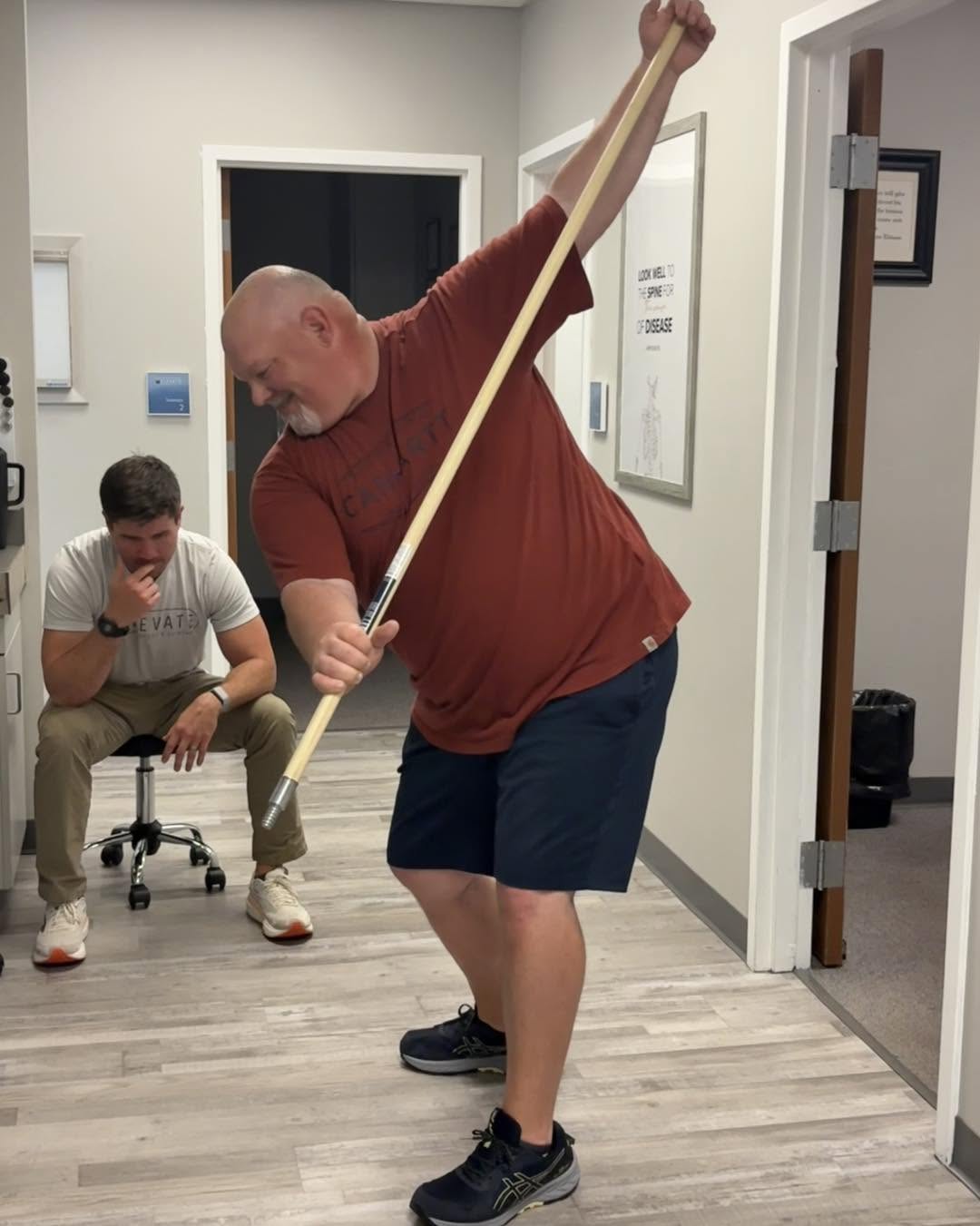
When extremity care makes sense
- •A joint feels stiff, stuck, or doesn't move as far as the other side
- •Pain with specific movements, like reaching overhead, gripping or squatting
- •Recovering from a sprain or strain once the acute stage has passed
- •A recurring problem that keeps coming back in the same spot
- •Joint stiffness that's making the spine or another joint work harder
Joint by joint
| Joint | What care may involve |
|---|---|
| Shoulder | The shoulder joint, collarbone joints and shoulder blade work together. Restoring motion in each, along with the upper back, often helps impingement and stiffness. Shoulder pain. |
| Elbow and forearm | Mobilization of the elbow and forearm joints alongside tendon loading for tennis and golfer's elbow. Elbow pain. |
| Wrist and hand | Gentle wrist and hand mobilization, often with nerve glides, for wrist stiffness and some cases of hand numbness. Carpal tunnel. |
| Hip | Hip joint mobilization to improve rotation and flexion, often combined with low back and pelvis care. Hip pain. |
| Knee | Care for the kneecap and the joints above and below the knee, since the knee often takes load from a stiff hip or ankle. Knee pain. |
| Ankle and foot | Restoring ankle and foot motion after sprains and for heel pain, so you walk and land normally. Ankle sprain, Plantar fasciitis. |
How it works
Dr. Douglas examines the painful joint and the joints next to it, since problems often start one joint away. Treatment may be a gentle, quick adjustment or a slower mobilization, depending on the joint and how irritable it is. It's usually combined with soft tissue work, such as instrument-assisted soft tissue mobilization, and corrective exercise so the joint can hold its new range. Athletes get a return-to-sport plan as part of sports medicine.
Safety and when we refer
Extremity adjustments are generally low risk after a proper exam. They aren't used on suspected fractures, unstable joints after dislocation, acute infections, or hot, swollen joints, which need a medical evaluation first. Suspected ligament, meniscus or major tendon tears are referred for imaging and an orthopedic opinion.
Common Questions
Ready to be seen?
Call 423-239-9122 or book online. We don't take walk-ins, but most new patients are seen within a week, and we check your insurance benefits before your first visit.