
Ankle Sprain Treatment in Kingsport, TN
When to get an X-ray or urgent care. Get checked the same day if you can't take four steps right after the injury or in the clinic, if there's tenderness right on the ankle bones or the outside of the midfoot, if the ankle or foot looks deformed, or if the foot is numb, cold or pale. These can mean a fracture or a more serious injury.
How bad is the sprain?
| Grade | What it means | Typical signs |
|---|---|---|
| 1 (mild) | Ligament stretched | Mild swelling and tenderness, can walk |
| 2 (moderate) | Partial tear | Bruising, swelling, painful to walk |
| 3 (severe) | Complete tear | Major swelling and bruising, ankle feels unstable, hard to bear weight |
A "high ankle sprain" above the ankle joint usually takes longer to heal and needs a different plan.
How chiropractic care may help an ankle sprain
- •Early, protected movement instead of long rest; research favors functional support such as a brace or tape over immobilization for most sprains
- •Extremity adjustments and mobilization to restore ankle and foot motion once the acute stage passes
- •Soft tissue work for the calf and foot
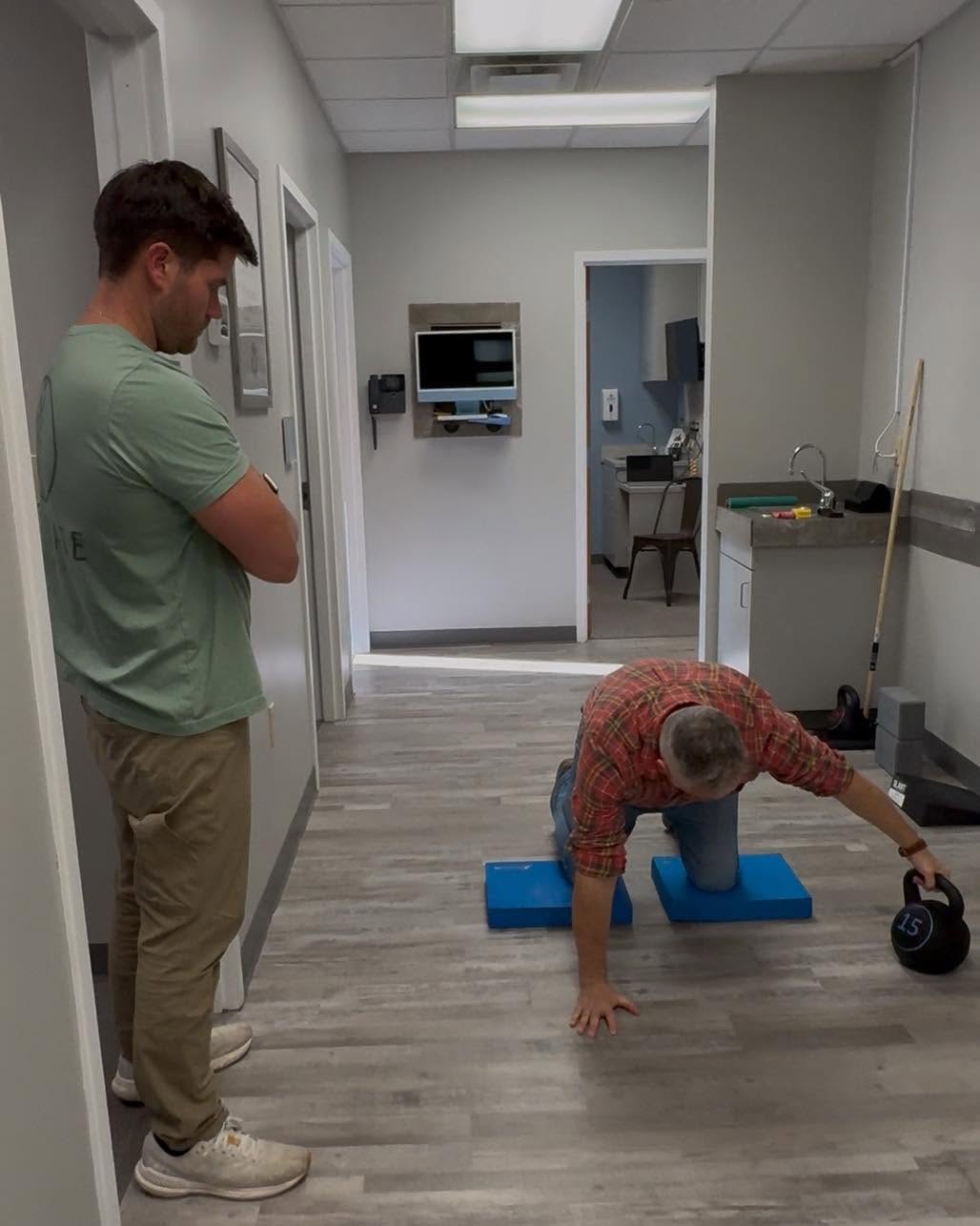
- •Balance and strength training (corrective exercise), which lowers the chance of spraining it again
- •A return-to-sport progression: hopping, cutting, then sport-specific drills
An updated clinical guideline for ankle sprains supports exercise therapy, combined with manual therapy, and recommends balance training to prevent re-injury.

What to expect and when we refer
Your first visit runs 30 to 45 minutes. Dr. Douglas checks ligament stability, swelling, how you walk, balance and strength, and applies the Ottawa ankle rules to decide whether you need an X-ray (available on site). Suspected fractures, high ankle sprains that are unstable, and sprains that keep giving way despite rehab are referred to an orthopedic specialist. More on your first visit.
Ankle sprains that keep happening
If your ankle rolls easily or feels unreliable months after a sprain, you may have chronic ankle instability. It usually responds to a structured balance and strength program; a smaller group needs a surgical opinion. Foot mechanics can play a part too, which is where a foot scan and custom orthotics sometimes help.
Common Questions
Clinical Sources & Guidelines
- Vuurberg G, Hoorntje A, Wink LM, et al. Diagnosis, treatment and prevention of ankle sprains: update of an evidence-based clinical guideline. British Journal of Sports Medicine. 2018;52(15):956.
Ready to be seen?
Call 423-239-9122 or book online. We don't take walk-ins, but most new patients are seen within a week, and we check your insurance benefits before your first visit.